
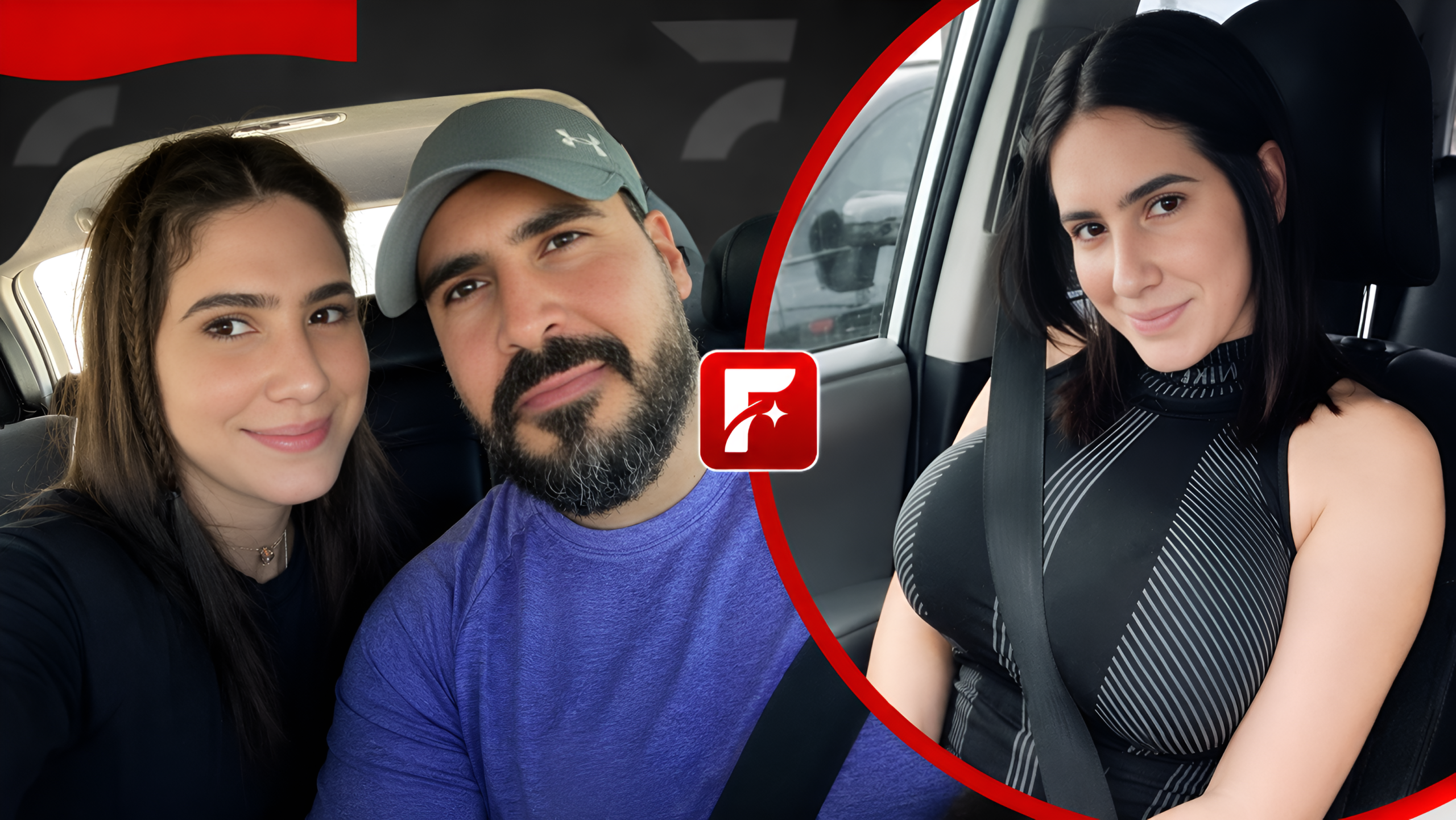
The phrase “Yinyleon cause of death” has created confusion among people searching for information about the online creator. The most important point is that a trending search phrase does not prove that a death has occurred. Without a clear announcement from an authorized representative, family member or dependable public channel, no cause of death should be attached to Yinyleon’s name.
Online death rumors often become convincing because they appear across several websites, video captions and search suggestions at the same time. However, multiple pages can repeat the same unsupported statement. Repetition may increase visibility, but it does not turn speculation into a confirmed event.
In Yinyleon’s case, claims involving illness, accidents, hospitalization or a sudden passing should not be presented as established facts when no dependable confirmation accompanies them. A responsible answer must separate what people are searching for from what can actually be stated.
The keyword appears to reflect online uncertainty rather than a clearly documented cause of death. This article explains why the rumor may have developed, how false celebrity death stories spread and what readers should check before believing dramatic claims about a public personality.
Yinyleon Quick Profile
| Fact | Details |
|---|---|
| Public Name | Yinyleon |
| Also Written As | Yiny Leon |
| Profession | Digital creator, model and online personality |
| Known For | Personality-led visual content and an established online audience |
| Public Career | Independent digital entertainment |
| Relationship to the Rumor | Her name has appeared in online death-related searches |
| Confirmed Cause of Death | No confirmed cause should be stated without an official announcement |
| Illness Claims | Unverified and should not be repeated as fact |
| Accident Claims | Unsupported unless confirmed by an authorized party |
| Autopsy Claims | No such claim should be accepted without formal confirmation |
| Public Identity | Recognizable online personality with a largely controlled private life |
| Personal Details | Kept separate from much of her public content |
| Main Article Focus | Explaining the difference between a search rumor and a confirmed death report |
| Recommended Reader Approach | Verify first and avoid sharing unsupported claims |
What Is Yinyleon’s Cause of Death?
There is no responsible cause of death that can be stated merely because people are searching for one.
The wording of the keyword assumes that Yinyleon has passed away. That assumption needs to be established before discussing any possible medical or accidental cause. When the first part of the claim has not been confirmed, adding details about cancer, an accident or sudden illness only creates a more complicated rumor.
A reliable cause-of-death report normally follows a clear sequence. First, the person’s passing is announced through an identifiable and authorized channel. Later, the family, representative or relevant authority may choose to explain the cause. Sometimes the cause remains private permanently.
The online rumor surrounding Yinyleon does not become reliable simply because a page uses confident language. Titles such as “cause finally revealed” or “shocking truth confirmed” can be written without any genuine evidence behind them.
The accurate approach is therefore to avoid assigning a cause and explain that the search phrase itself is not confirmation.
Is the Yinyleon Death Story Confirmed?
A death story should not be treated as confirmed unless its origin can be traced.
Readers should be able to answer several questions:
Who announced the death?
Where was the original statement published?
Was the announcement made by a family member, representative or official channel?
Do the dates and details remain consistent across reports?
Is there a genuine statement, or are websites referring vaguely to one another?
When these questions cannot be answered, the story remains doubtful.
False reports often create the appearance of authority by using emotional wording and formal terms. A page may mention an obituary, medical condition or family statement without showing where that information came from.
The absence of a traceable announcement is especially important. If every article repeats the same sentence but none identifies the original source, the information may be circulating in a closed loop.
Why Are People Searching for “Yinyleon Cause of Death”?
A search trend can begin with only one misleading post.
Someone may upload an old photograph with sad music. Another person sees it and asks whether the creator died. That question is repeated in comments, copied into search engines and eventually turned into a keyword.
Once the phrase gains enough attention, websites may create articles to capture traffic. Their existence then makes the original rumor appear more credible.
The process can happen even when no verified event exists.
Search Suggestions Can Create False Confidence
Search engines often suggest phrases based on what users type.
When people repeatedly search “Yinyleon cause of death,” the phrase may appear automatically for other users. A person seeing the suggestion may assume the search engine knows that a death occurred.
In reality, the system may only be reflecting widespread curiosity.
Autocomplete is a record of search behavior, not an official news announcement.
Emotional Videos Attract Fast Reactions
Short-form video platforms encourage rapid responses.
A creator may use black-and-white photographs, slow music and a dramatic caption to create a tribute-like appearance. Viewers may respond before checking whether the video contains any actual confirmation.
The emotional presentation becomes more memorable than the lack of evidence.
Some viewers then repeat guesses about illness or accidents. Those guesses may later appear in separate videos as though they came from informed sources.
Low-Quality Biography Pages Follow Trending Keywords
Some websites publish content around whatever people are currently searching for.
The page may begin with a dramatic headline but contain no original information. Instead, it combines general biography details with phrases such as “according to reports” or “fans believe.”
The article may avoid directly proving anything while still encouraging readers to assume the rumor is true.
This kind of publishing can turn an unsupported question into a long-lasting search problem.
Did Yinyleon Die From an Illness?
No specific illness should be attributed to Yinyleon without a direct and dependable announcement.
Illness claims are common in celebrity death rumors because they sound believable and can be described without many details. A page may mention a “long health battle” or “private condition” while offering no diagnosis, timeline or authorized statement.
The use of privacy as an explanation makes the claim difficult to challenge. If readers ask why no one knew about the illness, the page can simply say it was hidden.
That is not evidence.
Public figures are entitled to keep health matters private. The absence of medical information does not allow writers to invent a diagnosis.
If a creator chooses not to discuss health publicly, the correct conclusion is that the information is private, not that a hidden illness must exist.
Did Yinyleon Die From Cancer?
Cancer should not be connected to Yinyleon’s name without confirmation.
It is one of the most frequently invented explanations in online death rumors because many people recognize the seriousness of the illness. The word immediately creates an emotional reaction and may cause readers to share the story quickly.
However, a believable medical explanation is still only speculation when no verified diagnosis exists.
A responsible article should not list possible cancer types, treatment histories or supposed symptoms. Doing so would transform an unsupported rumor into fabricated medical reporting.
The correct position is simple: no confirmed cancer-related cause should be stated.
Was Yinyleon Involved in an Accident?
There is no reason to present an accident as the cause unless a verified report clearly establishes one.
Accident rumors often use vague language such as “tragic incident,” “unexpected collision” or “fatal event.” These phrases sound serious but avoid providing details that could be checked.
A genuine accident report would normally include basic information such as a date, location or responsible authority. When none of these details appears, the claim becomes difficult to distinguish from invention.
Readers should also be cautious when an article uses an unrelated accident photograph. Images of emergency vehicles, damaged cars or hospital corridors are often used as generic illustrations. They do not prove that the event involved the person named in the headline.
Was an Autopsy Performed?
Autopsy claims should be treated with extreme caution.
Once a false death rumor begins, some pages add an alleged autopsy to make the story sound official. They may use phrases such as “results revealed” or “medical findings explained” without identifying any medical examiner, jurisdiction or formal document.
This is a common escalation pattern:
First, someone claims the person died.
Next, another page invents a possible cause.
Later, a third page claims an autopsy confirmed the cause.
Each new layer makes the rumor look more detailed, but none may be based on reality.
Without a confirmed death, an autopsy discussion has no reliable foundation.
How Celebrity Death Hoaxes Begin
A death hoax is a false claim that a living person has passed away.
Some hoaxes are created deliberately for attention. Others begin through misunderstanding. In both cases, the final result can look surprisingly convincing.
A Joke Is Taken Seriously
Someone may post a dramatic message as a joke or use “RIP” sarcastically.
People who do not understand the original context may interpret it literally. Screenshots remove the tone and surrounding conversation, allowing the claim to spread in a completely different form.
Another Person With a Similar Name Dies
Name confusion is a frequent cause of false reports.
A death involving one creator may become connected to another person with a similar name, appearance or profession. Once the wrong name enters a caption, the mistake can spread quickly.
Readers rarely stop to compare photographs, account handles or background details.
An Account Becomes Temporarily Inactive
When a creator stops posting for a period, some followers assume something serious has happened.
The person may simply be taking a break, changing platforms, planning new content or handling private responsibilities.
Silence does not prove illness or death.
The private approach used by many digital personalities can also be seen in discussions about Leicht Perlig’s age and online identity, where limited personal disclosure creates curiosity but should not lead to invented conclusions.
Old Content Is Reposted Without Context
An older hospital photograph, sad caption or emotional interview may return to circulation years later.
When the original date is hidden, viewers may assume the content relates to a recent event. The misunderstanding grows when others repost it with new captions.
Fake News Graphics Are Created
A screenshot designed to resemble a news website can be produced within minutes.
Logos, headlines and photographs may look professional even when the entire image is fabricated. Readers who see the screenshot outside its original platform may not know that the article never existed.
Why Death Rumors Spread Faster Than Corrections
Death-related content produces strong emotions, and strong emotions encourage sharing.
People may forward a post because they are shocked, concerned or curious. They often believe they are helping others by spreading the news quickly.
A correction is less dramatic. It may receive fewer shares because the emotional urgency has disappeared.
This imbalance allows the rumor to reach thousands of people while the clarification reaches only a fraction of them.
Dramatic Claims Receive More Engagement
A headline claiming someone died creates immediate curiosity.
A headline explaining that no reliable confirmation exists may seem less exciting. Social platforms reward the content that receives the most clicks, comments and watch time, not necessarily the content that is most accurate.
People Remember the First Version
The first explanation a person hears often becomes the strongest.
Even after reading a correction, the original rumor may remain familiar. The reader may later remember that “something happened” without remembering that the story was disproved.
Repetition Feels Like Proof
Seeing the same claim several times creates psychological familiarity.
The reader may assume that multiple pages independently verified the information. In reality, every page may have copied the same anonymous post.
This process is part of the wider problem of misinformation, where inaccurate claims can spread without proper checking.
The Difference Between a Search Trend and a Real Event
Search volume measures interest, not truth.
A phrase may become popular because people are confused, not because a verified event occurred. Search trends can be driven by rumors, memes, misheard names or misleading videos.
The distinction is important for biography writers.
When a keyword contains an unsupported assumption, the article should not repeat that assumption as fact. It should answer the underlying question and correct the misunderstanding.
For “Yinyleon cause of death,” the useful reader intent is likely:
- Did Yinyleon die?
- Why are people saying she died?
- Is there a confirmed cause?
- Did a family member announce anything?
- Is the story a hoax?
An accurate article should focus on those questions rather than inventing a dramatic cause.
Rumor Indicators Readers Should Recognize
Several warning signs appear repeatedly in false celebrity death stories.
| Warning Sign | Why It Matters |
| No original announcement | The story may have no identifiable beginning |
| Vague wording | The writer may be avoiding responsibility for the claim |
| Different causes on different pages | Conflicting explanations indicate speculation |
| Emotional images without context | Visual drama is being used in place of evidence |
| No date or location | The alleged event cannot be checked |
| Anonymous screenshots | The content may have been edited or invented |
| “Fans believe” language | Audience guesses are being treated like reporting |
| Repeated paragraphs across sites | Multiple pages may come from one copied rumor |
| Immediate demands to share | The creator wants speed before verification |
| No authorized spokesperson | The claim lacks a responsible source |
Readers do not need professional research skills to identify these patterns. A few basic questions can prevent most false stories from being shared.
How to Verify a Public Figure’s Death
Before accepting a death claim, readers should follow a simple process.
Find the Original Statement
Do not rely on a screenshot showing what someone supposedly said.
Visit the account, page or announcement directly. Confirm that it belongs to a person or organization genuinely connected to the public figure.
Check Whether the Language Is Clear
A real statement usually uses direct wording.
Vague captions such as “we lost a legend” may refer to a relationship ending, a deleted account or a joke. Context matters.
Compare Dates
Make sure the report refers to the current year and not an older event.
A new article may summarize an old rumor. A video may be reposted without its original date.
Look for Consistent Details
Credible reports usually agree on basic facts.
When one page claims illness, another claims an accident and a third refuses to name a cause, the story has not been established clearly.
Avoid Sharing Before Checking
A delay of several minutes is better than spreading a false death report.
Readers should verify first, particularly when the claim involves health, death or private family matters.
Why Yinyleon’s Private Life Creates Curiosity
Online creators often appear more accessible than traditional celebrities.
They may post from homes, vehicles, holidays or ordinary daily settings. This makes followers feel involved in their lives.
However, what appears online is still selected content.
A creator may share photographs frequently while revealing very little about health, family, finances or personal routines. The audience sees a public presentation rather than a complete private life.
When followers forget this distinction, ordinary gaps become suspicious.
A short absence may lead to questions. An unanswered question may become a theory. The theory may eventually be repeated as news.
Respecting privacy prevents this cycle from escalating.
Who Is Yinyleon?
Yinyleon is recognized as a digital creator and online personality whose public career developed through independent content rather than a traditional film, television or music route.
Her audience became familiar with a consistent online identity, visual presentation and personality-led material.
Digital creators build recognition differently from conventional celebrities. They often communicate directly with followers instead of relying on press interviews or entertainment networks.
This direct relationship can make the audience feel especially close to the creator.
The closeness is commercially valuable, but it also increases speculation. Followers may expect immediate explanations for changes in posting, appearance or activity.
The same creator-economy dynamic appears in discussions about Nala Ray’s net worth and digital career, where public visibility creates strong curiosity even though financial and personal details remain private.
Why Public Figures Do Not Have to Answer Every Rumor
Some people believe a creator must respond immediately when a death rumor appears.
That expectation places an unfair responsibility on the person being targeted.
Responding may calm worried followers, but it can also make the rumor more visible. A weak claim seen by a few hundred people may reach millions after the public figure addresses it.
Some creators therefore choose to ignore false stories and continue posting normally.
Silence should not be interpreted as confirmation. It may simply mean that the person does not want to reward an anonymous rumor with attention.
How False Death Claims Affect Families
A death rumor can cause real distress even when it is quickly disproved.
Friends or distant relatives may see the post before speaking with the person involved. They may experience panic, confusion and emotional shock.
Family members may receive calls and messages from people asking whether the story is true.
The rumor can also affect professional relationships. Business partners, event organizers or advertisers may hesitate until the situation is clarified.
This is why false death stories should not be dismissed as harmless entertainment. They can create emotional and practical consequences for real people.
How Death Rumors Affect Search Results
Once a cause-of-death phrase becomes connected to a person’s name, it can remain visible for a long time.
New readers may assume the phrase exists because an actual death occurred. Their searches then increase the popularity of the same keyword.
This creates a self-reinforcing cycle:
- A rumor causes searches.
- Searches create suggestions.
- Suggestions cause more people to search.
- Websites publish articles around the phrase.
- The articles make the rumor appear more credible.
- The keyword continues growing.
An accurate article can interrupt the cycle by answering the query directly and refusing to invent a cause.
Should Articles Use the Phrase “Cause of Death”?
The phrase can be used in the title because it matches what readers are searching for.
However, the introduction must immediately explain that the phrase itself does not confirm a death.
Hiding the clarification near the end would be misleading. Readers should not be required to scroll through dramatic speculation before discovering that no dependable cause exists.
A responsible article can target the keyword while correcting its assumption.
This approach is useful for many celebrity queries involving rumors, relationships, health or family members.
For example, an article about Shane Gillis’ sisters and private family background can answer public curiosity without inventing personal details about relatives who remain outside the spotlight.
Why Fabricated Medical Details Are Especially Harmful
Medical claims carry additional risk because they sound authoritative.
Words such as diagnosis, treatment, cardiac arrest, cancer or autopsy can make a weak article appear professionally researched.
Readers may repeat those terms because they assume medical specificity equals accuracy.
In reality, fabricated medical information can be more damaging than a vague rumor. It places a serious condition into someone’s permanent online biography.
Once copied across websites, the false diagnosis may continue appearing even after the original rumor disappears.
Writers should never fill an information gap with a plausible illness.
Is Yinyleon’s Online Absence Proof of Death?
No. A pause in public activity cannot prove that a person has died.
Creators reduce posting for many ordinary reasons:
- Personal travel
- Family commitments
- Business planning
- Platform problems
- Content breaks
- Health privacy
- Rebranding
- Reduced interest in public posting
- Work on another account
- A desire for greater privacy
None of these possibilities should be assumed either. The only safe conclusion is that posting frequency does not establish a death.
A similar principle applies to young performers such as the artist discussed in Kevin AMF’s age and career timeline. Public audiences may see frequent content, but they still do not have access to every personal development.
Is Yinyleon’s Husband Connected to the Rumor?
Relationship-based speculation often appears when one member of a public couple becomes less visible.
Followers may examine old photographs, captions or account activity and attempt to build a theory. These observations do not confirm a death or cause.
A spouse or partner should not be placed at the center of a death story unless they have made a clear public statement.
Writers should also avoid claiming that someone is grieving based on facial expressions, silence or reduced posting. Emotional interpretation is not evidence.
Could the Rumor Be Confusion With Another Creator?
Yes, mistaken identity is a realistic explanation for many online death rumors.
Digital creators often use stage names, shortened names or similar spellings. A report involving one person can easily become attached to another.
Confusion may also occur when:
- Two creators have similar usernames
- Fan accounts repost content without labels
- The same photograph appears under different names
- A headline shortens a name incorrectly
- Translation changes the spelling
- A tribute video tags the wrong account
Readers should compare usernames and identities carefully before assuming that a report concerns the correct person.
Why Unique Articles Should Avoid Inventing New Claims
Original writing does not mean creating facts that no one else has published.
A unique article should offer a fresh explanation, clearer structure and stronger reader value. It should not invent a new illness, accident or timeline simply to appear different from competing pages.
In a rumor-based topic, originality comes from analysis.
A useful article can explain how the rumor works, why the keyword trends, what warning signs readers should notice and how privacy should be respected.
That approach creates genuinely different content without sacrificing accuracy.
Frequently Asked Questions About Yinyleon Cause of Death
What is Yinyleon’s cause of death?
No confirmed cause of death should be stated without a dependable announcement establishing that a death occurred.
Is Yinyleon dead?
The search phrase alone does not confirm her death. Readers should look for an authorized announcement rather than relying on repeated rumors.
Is the Yinyleon death rumor true?
The claim should be treated as unverified unless it is supported by a clear statement from an authorized party.
Did Yinyleon die from cancer?
No cancer-related cause should be attributed to her without confirmed medical or family information.
Did Yinyleon die in an accident?
No accident should be presented as fact unless a verified announcement identifies the event.
Was Yinyleon hospitalized?
Hospitalization claims should not be repeated without a direct and trustworthy confirmation.
Was an autopsy performed on Yinyleon?
An autopsy claim has no reliable basis unless a death and formal examination have first been confirmed.
Why are people searching for Yinyleon’s cause of death?
The search may have developed from misleading videos, name confusion, posting changes or websites following a trending keyword.
Does a Google suggestion prove Yinyleon died?
No. Search suggestions reflect user behavior and may appear around rumors or misunderstandings.
Can several websites all be wrong?
Yes. Multiple websites may repeat the same original rumor without independently verifying it.
Why do websites publish celebrity death rumors?
Death-related headlines can attract clicks, comments and social sharing, making them financially valuable to low-quality publishers.
How can I tell whether a death report is fake?
Check whether the story has an original authorized announcement, consistent details, a clear date and a traceable source.
Is a tribute video proof of death?
No. Music, photographs and emotional captions can be combined without any factual confirmation.
Can an inactive social account prove someone died?
No. People may stop posting for many personal or professional reasons.
Why has Yinyleon not answered the rumor?
A public figure is not required to respond to every online claim. Ignoring a rumor may prevent it from receiving additional attention.
Is Yinyleon sick?
No private medical condition should be assumed or invented based on online speculation.
Did Yinyleon’s family confirm a cause of death?
A genuine family statement would need to be clear, direct and traceable. Vague references to unnamed family members are not enough.
Is Yinyleon married?
She is generally associated with a couple-based public identity, although detailed private relationship information should not be used to support death speculation.
What is Yinyleon known for?
She is known as a digital creator, model and online personality with an established audience.
Why do people believe false death reports?
Emotional presentation, repeated claims and professional-looking graphics can make unsupported information appear trustworthy.
What is a death hoax?
A death hoax is a false report claiming that a living person has died.
Is misinformation always intentional?
No. Some people knowingly create false content, while others share inaccurate information because they believe it is true.
Should I share Yinyleon death posts?
They should not be shared as confirmed news unless an authorized announcement clearly supports them.
What should an article say about Yinyleon’s cause of death?
It should explain that no cause can be responsibly assigned without confirmed evidence of a death.
Why is careful wording important?
Careful wording prevents rumors from becoming permanent false claims in search results.
Final Verdict on the Yinyleon Death Rumor
The phrase “Yinyleon cause of death” should not be treated as proof that Yinyleon has died.
A search query can grow from confusion, copied headlines, misleading videos or mistaken identity. It does not establish a real event by itself.
No writer should invent cancer, an accident, hospitalization, an autopsy or another medical explanation simply because readers are looking for an answer.
The responsible conclusion is that no confirmed cause of death can be assigned without an official and dependable announcement.
This does not require readers to ignore future information. It requires them to verify new claims carefully before accepting or sharing them.
Yinyleon’s situation also demonstrates a wider problem in online celebrity culture. Public visibility is often mistaken for total access. When a creator posts less frequently or keeps health matters private, some viewers attempt to fill the gap with theories.
Privacy should not be interpreted as tragedy.
A strong article serves readers by providing clarity rather than drama. In this case, clarity means refusing to transform an unsupported keyword into a false obituary.
Until dependable confirmation establishes otherwise, the phrase should be understood as an online rumor query—not a verified cause-of-death report.