


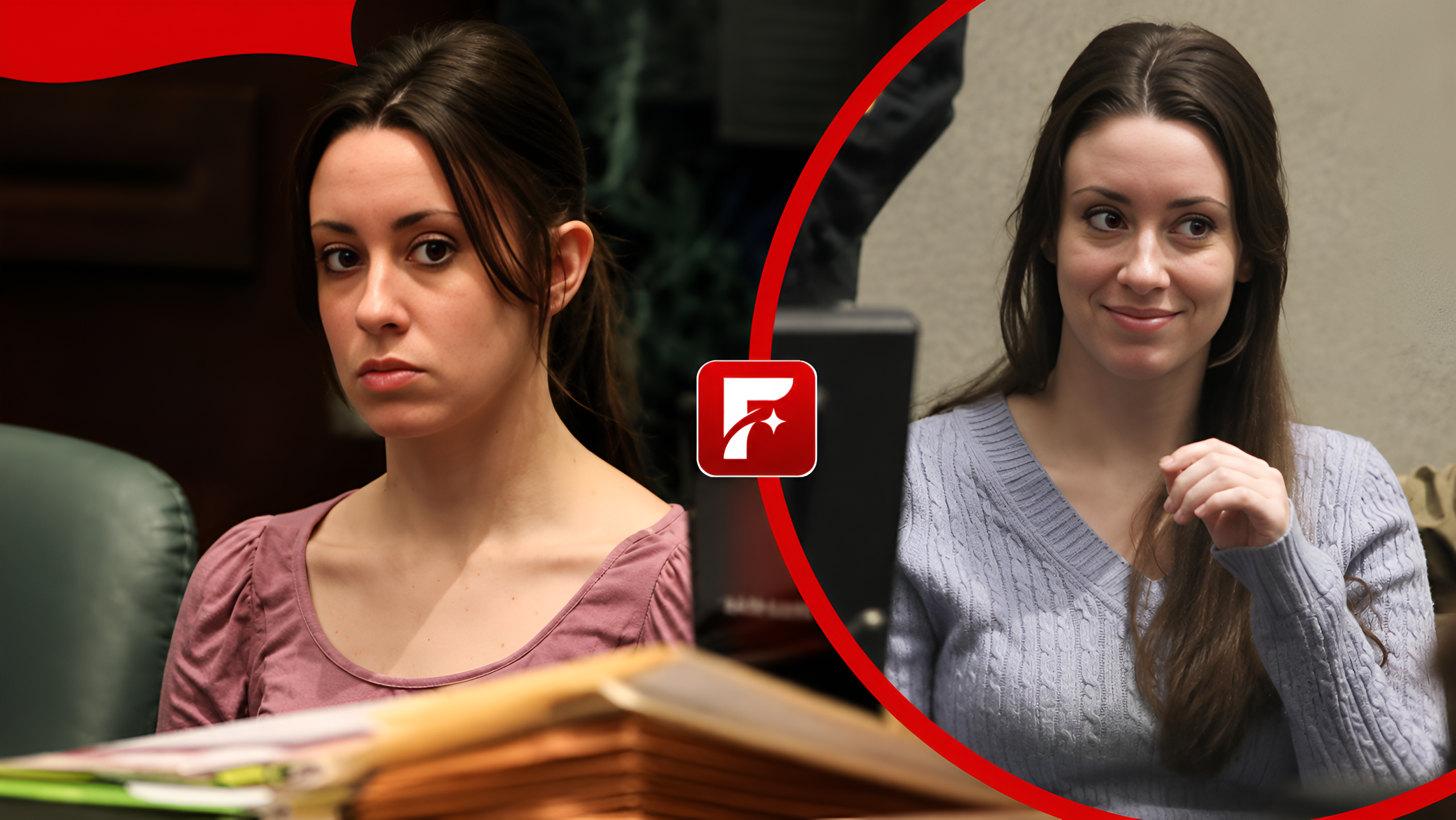
Casey Anthony remains one of the most controversial names in American true-crime history. Her name became internationally known after the disappearance and death of her two-year-old daughter, Caylee Anthony, in 2008. The case became a media storm, leading to one of the most watched criminal trials in modern U.S. history. In 2011, Casey Anthony was found not guilty of first-degree murder, aggravated manslaughter, and aggravated child abuse, but she was convicted of giving false information to law enforcement.
The Casey Anthony case is still discussed because it sits at the center of several difficult questions: how criminal trials are covered by the media, how public opinion can differ from a jury verdict, how true-crime stories become cultural events, and why some cases never fully leave public memory. Even years after the verdict, searches for Casey Anthony biography, Casey Anthony daughter, Casey Anthony trial, Casey Anthony net worth, Casey Anthony now, and what happened to Caylee Anthony continue to attract strong interest.
This detailed biography explains Casey Anthony’s early life, family background, the disappearance of Caylee Anthony, the criminal trial, the verdict, public reaction, life after acquittal, net worth discussion, recent public activity, and why her case remains one of the most debated stories in American crime coverage.
Quick Bio Table
| Fact | Details |
|---|---|
| Full Name | Casey Marie Anthony |
| Popular Name | Casey Anthony |
| Date of Birth | March 19, 1986 |
| Age | 40 years old as of 2026 |
| Place of Birth | Warren, Ohio, United States |
| Nationality | American |
| Profession | Public figure, former defendant, self-described legal advocate |
| Famous Role / Known For | 2011 trial connected to the death of her daughter, Caylee Anthony |
| Years Active | Public attention since 2008 |
| Net Worth | Exact amount undisclosed; financial details remain private |
| Marital Status | No confirmed public marriage |
| Spouse | No confirmed public spouse |
| Children | Caylee Marie Anthony |
| Notable Works / Achievements | Subject of major true-crime coverage, Peacock docuseries appearance, legal advocacy claims on social platforms |
| Legal Status in Main Case | Acquitted of murder-related charges in 2011; convicted of giving false information to law enforcement |
Who Is Casey Anthony?
Casey Anthony is an American public figure who became known after the 2008 disappearance and death of her daughter, Caylee Marie Anthony. Before the case, she lived a mostly ordinary life in Florida and was not connected to entertainment, politics, business, or public media. Her name entered public attention because of a criminal investigation that quickly became national news.
The case became especially controversial because Caylee was not reported missing for 31 days. Casey’s behavior during that period, her statements to law enforcement, and the later discovery of Caylee’s remains made the investigation a major public obsession. News channels, legal commentators, bloggers, and true-crime followers covered every development.
In 2011, Casey Anthony went on trial in Florida. Prosecutors argued that she was responsible for Caylee’s death, while the defense presented a different theory involving an accidental drowning and a family cover-up. The jury found Casey not guilty of the most serious charges. That verdict shocked many viewers and created lasting public debate.
Today, Casey Anthony is not a traditional celebrity. She is a controversial public figure whose name remains tied to a legal case, media coverage, and unresolved public questions about Caylee Anthony’s death.
Early Life and Background
Casey Marie Anthony was born on March 19, 1986, in Warren, Ohio. She later lived in Orlando, Florida, with her parents, George and Cindy Anthony. Before the case became public, Casey was not widely known outside her personal circle.
Her early life is often discussed through the lens of the later investigation, but it is important to separate basic background from speculation. Casey grew up in a family that would later become central to the trial. Her parents, George and Cindy, played important roles in reporting Caylee missing and later testifying during the legal process.
Public accounts of Casey’s younger years often mention conflicts, family tension, and claims about dishonesty. However, the most important confirmed public chapter of her life began when she became a mother to Caylee Marie Anthony. Caylee was born in 2005 and lived with Casey and her grandparents in Florida.
Casey was a young mother, and her relationship with her parents was closely examined after Caylee disappeared. The family dynamic became a major part of the trial because both the prosecution and defense used family testimony to support their arguments.
Casey Anthony as a Mother
Casey Anthony became a mother at a young age. Her daughter, Caylee Marie Anthony, was born in August 2005. Caylee was described in public coverage as a bright and loved child who lived with Casey and Casey’s parents in Orlando.
Caylee’s short life is at the center of this entire story. Any discussion of Casey Anthony must remember that the case is not only about media attention or legal controversy. It is about the death of a young child whose life ended before she could grow up.
Casey’s role as Caylee’s mother became heavily scrutinized after Caylee went missing. The public focused on why Caylee had not been reported missing sooner, what Casey was doing during that time, and why her explanations to family and police changed.
During the trial, prosecutors argued that Casey’s behavior showed guilt. The defense argued that the public misunderstood the family situation and that Casey’s actions were shaped by trauma and family dysfunction. The jury ultimately did not convict her of murder or manslaughter.
Still, the emotional weight of Caylee’s death remains the reason the case continues to draw attention.
The Disappearance of Caylee Anthony
Caylee Anthony was last reported seen alive in June 2008. Her disappearance became public when her grandmother, Cindy Anthony, contacted law enforcement in July 2008. Cindy said she had not seen Caylee for 31 days, and that call became one of the most discussed moments in the case.
The delay in reporting Caylee missing became one of the biggest reasons the case attracted public outrage. Many people could not understand why a mother would wait weeks before reporting a child missing. Casey initially gave investigators explanations that later proved false, including claims about a nanny named Zenaida Fernandez-Gonzalez.
Law enforcement quickly began investigating Casey’s statements, her movements, her car, her phone records, and her family’s home. The case grew more serious as contradictions appeared. Public attention intensified because the story involved a missing toddler, a young mother, emotional emergency calls, and unusual behavior.
In December 2008, Caylee’s remains were found in a wooded area near the Anthony family home. That discovery changed the case from a missing-child investigation into a death investigation and later a murder trial.
Discovery of Caylee Anthony’s Remains
Caylee Anthony’s remains were found in December 2008 near the Anthony family home in Orlando. The discovery was devastating and turned national attention even more sharply toward the investigation.
The condition of the remains made it difficult to determine exactly how Caylee died. The medical examiner ruled the death a homicide by undetermined means. This uncertainty became a major issue at trial because prosecutors had to prove their theory beyond a reasonable doubt.
The prosecution argued that Caylee’s death was intentional and connected to Casey’s actions. The defense argued that Caylee accidentally drowned in the family pool and that the death was covered up by others in the family. These competing narratives shaped the trial and left the public deeply divided.
The discovery of Caylee’s remains also changed how the media covered the story. It was no longer only about a missing child. It became a case about forensic evidence, family testimony, alleged lies, and the limits of proving guilt in court.
Charges Against Casey Anthony
Casey Anthony was charged with serious crimes connected to Caylee’s death, including first-degree murder, aggravated child abuse, aggravated manslaughter of a child, and providing false information to law enforcement.
The first-degree murder charge carried the most serious consequences. Prosecutors argued that Casey had intentionally caused Caylee’s death and attempted to hide it. They pointed to her behavior after Caylee disappeared, her false statements, and forensic evidence connected to the case.
The defense challenged the prosecution’s evidence and argued that the state could not prove how Caylee died. This became one of the most important legal issues in the trial. Suspicion and public anger are not the same as proof beyond a reasonable doubt.
The false-information charges were based on statements Casey made during the investigation. These included claims about her employment, Caylee’s location, and the nanny story. Even though the jury did not convict her of murder-related charges, it did convict her of providing false information.
The Casey Anthony Trial
The Casey Anthony trial began in 2011 and quickly became a national event. Millions of people followed the proceedings through television, online updates, and news commentary. It became one of the clearest examples of how true-crime coverage can turn a courtroom case into a cultural moment.
The prosecution presented Casey as a mother who wanted freedom from parental responsibility and created false stories to cover up Caylee’s death. They argued that her actions after Caylee disappeared were inconsistent with an innocent parent.
The defense, led by Jose Baez, challenged that version of events. The defense argued that Caylee’s death resulted from an accidental drowning and that Casey’s behavior could be explained by trauma and family dysfunction. The defense also raised serious allegations involving Casey’s father, George Anthony, which he denied.
The trial included emotional testimony, forensic debate, computer-search evidence, family conflict, and heavy media attention. Viewers across the country formed strong opinions before the jury reached a verdict.
Prosecution’s Argument
The prosecution’s case focused on Casey Anthony’s behavior, her false statements, and the circumstances surrounding Caylee’s disappearance and death. Prosecutors argued that Casey created fictional explanations to hide what had happened to Caylee.
They presented evidence about Casey’s car, computer searches, family testimony, and the timeline of events. They also emphasized the 31-day delay before Caylee was reported missing. For prosecutors, that delay was one of the strongest indicators that Casey knew more than she admitted.
The prosecution’s theory was emotionally powerful, but criminal trials require proof beyond a reasonable doubt. The state needed the jury to believe not only that Casey lied, but that she committed the charged crimes.
This distinction became important. Many people agreed that Casey’s behavior was suspicious or disturbing. However, the jury had to decide whether the evidence proved murder, aggravated child abuse, or aggravated manslaughter under the law.
Defense’s Argument
The defense argued that Casey Anthony did not murder Caylee. Instead, they suggested that Caylee accidentally drowned in the family pool and that the death was covered up by George Anthony. The defense also argued that Casey’s lies and unusual behavior were rooted in trauma and family dysfunction.
This defense strategy changed the focus of the trial. Instead of only asking whether Casey lied, the jury had to consider whether the prosecution had proven exactly how Caylee died and who was responsible.
The defense challenged forensic evidence and questioned whether the state’s theory was strong enough. They also argued that there was no clear cause of death, no direct eyewitness to murder, and no confession.
Whether the public accepted the defense theory or not, the jury had to weigh the evidence in court. In the end, the jury did not find enough proof to convict Casey of the most serious charges.
The Verdict
On July 5, 2011, the jury found Casey Anthony not guilty of first-degree murder, aggravated manslaughter of a child, and aggravated child abuse. She was found guilty of four counts of providing false information to law enforcement.
The verdict created immediate public outrage. Many people believed Casey was responsible for Caylee’s death and felt that justice had not been served. News commentators, true-crime followers, and social media users reacted strongly.
However, the verdict did not mean the jury believed Casey was innocent in every personal or moral sense. It meant the jury did not find that the prosecution had proven the murder-related charges beyond a reasonable doubt.
Casey was sentenced to four years in jail for the false-information convictions, but because she had already spent time in custody, she was released shortly after sentencing. Later, two of the four false-information convictions were overturned on appeal.
Why the Verdict Was So Controversial
The Casey Anthony verdict became controversial because public opinion and the legal outcome did not match. Many people watching the trial had already formed strong beliefs about Casey’s guilt. When the jury returned not-guilty verdicts on the most serious charges, the reaction was intense.
The case also came at a time when social media and cable news were changing how trials were discussed. Viewers did not simply watch the news; they debated evidence online, followed courtroom personalities, and reacted in real time. This made the case feel personal to millions of people.
Another reason the verdict was controversial is that Caylee’s death remained unresolved in the eyes of many. The jury verdict answered the legal question of whether Casey was proven guilty of the charged crimes. It did not provide a fully satisfying explanation for how Caylee died.
That gap between legal resolution and emotional closure is why the case continues to return to public attention.
Life After Acquittal
After her release, Casey Anthony lived mostly out of the public spotlight. She faced public anger, threats, criticism, and intense media interest. Her ability to live a normal public life was limited because many people still associated her name with Caylee’s death.
In the years after the trial, Casey occasionally appeared in interviews or public reports, but she did not become a mainstream celebrity. She remained a controversial figure. Some people were curious about her life after acquittal, while others objected to any platform that allowed her to speak publicly.
Her post-trial life has included reported attempts to work in research, photography, private investigation-related activity, and later legal advocacy. However, her public image has remained dominated by the 2008 case and 2011 trial.
The question “Where is Casey Anthony now?” remains popular because many people want to know whether she rebuilt her life, changed her story, or entered public work again.
Casey Anthony and the Peacock Docuseries
Casey Anthony returned to major public discussion through the Peacock docuseries Casey Anthony: Where the Truth Lies. The series gave her a platform to discuss her version of events and make claims about what she says happened.
The docuseries was controversial because many people believed she should not be given a major platform. Others argued that the public could evaluate her statements while also reviewing the trial and evidence.
In the series, Casey made allegations involving her father and repeated claims about trauma and family history. George Anthony has denied wrongdoing. Because these allegations are disputed, they should be described carefully and not presented as proven fact.
The docuseries did not end public debate. Instead, it restarted conversations about the trial, the evidence, the media, the family, and the unresolved questions surrounding Caylee’s death.
Casey Anthony in 2025 and 2026
In 2025, Casey Anthony returned to public attention again by appearing on TikTok and presenting herself as a legal advocate. She said she wanted to use her platform to discuss legal rights and advocacy issues.
This public return received strong criticism. Many people viewed it as an attempt to reshape her image. Others followed out of curiosity because her name remains tied to one of the most famous trials of the 2000s.
By 2026, Casey Anthony’s public identity remained controversial. She is still not widely accepted as a normal public commentator because the memory of Caylee’s death continues to dominate how many people see her.
Her attempt to reintroduce herself shows how difficult it is for someone connected to a high-profile case to move beyond public memory. No matter what she does now, the public continues to connect her name to Caylee Anthony.
Casey Anthony Net Worth
Casey Anthony net worth is a common search topic, but her exact financial details are not publicly confirmed. Unlike actors, athletes, business owners, or media personalities, Casey does not have a clearly documented public career with transparent earnings.
Some online estimates list different numbers, but these should be treated carefully. There is no reliable public financial record proving an exact Casey Anthony net worth. Her income may have come from private work, media-related opportunities, research assistance, or later online activity, but the details are not fully verified.
Her controversial public image may also limit traditional earning opportunities. Many brands and public businesses would avoid association with her because of the emotional weight of the case.
A responsible way to describe Casey Anthony net worth is this: her exact wealth remains undisclosed, and any specific figure should be considered speculative unless supported by verified financial records.
Readers who follow public-figure finance profiles may also compare how Fameora covers sensitive money topics in articles such as Paula Profit biography, where private finances are discussed without inventing exact numbers.
Media Coverage and Public Opinion
Media coverage played a major role in the Casey Anthony case. The story had all the elements that cable news and tabloids often focus on: a missing child, emotional family members, a young mother, conflicting stories, forensic evidence, and courtroom drama.
Some coverage focused on facts from the case. Other coverage became emotional and opinion-driven. Legal commentators debated guilt, parenting, forensic evidence, and courtroom strategy before the jury reached a verdict.
The case became an example of trial by media. Many people felt they knew the truth before hearing all the evidence in court. This created tension between public judgment and the legal process.
Public opinion remains largely negative toward Casey Anthony. Even though she was acquitted of the murder-related charges, many people still believe she was involved in Caylee’s death. Others argue that the state failed to prove its case and that the verdict must be respected as a legal outcome.
Trial by Media and True Crime Culture
The Casey Anthony case is often studied as an example of trial by media. Before the jury reached a verdict, millions of viewers had already formed opinions through television coverage, online forums, and emotional commentary.
True-crime culture can create awareness, but it can also create problems. When viewers become emotionally invested, they may treat suspicion as proof. They may also forget that criminal trials are governed by rules of evidence, not public anger.
The Casey Anthony trial showed how powerful media narratives can become. Casey was not only a defendant in court; she became a symbol in public debate. Some saw her as guilty regardless of the verdict. Others saw the case as a warning about the dangers of media-driven judgment.
This tension remains relevant today. Many modern true-crime cases become online events before legal facts are fully established. The Casey Anthony case helped shape that pattern.
Public Figure or Infamous Name?
Casey Anthony is a public figure, but not in the usual celebrity sense. She is not admired for entertainment work, public service, sports, business, or art. Her name is public because of a criminal case and the death of her child.
This makes her biography different from a standard entertainment profile. A normal celebrity biography may focus on career milestones, awards, relationships, and professional growth. A Casey Anthony biography must focus on legal events, public controversy, and the lasting impact of the case.
This is similar to how some private people become searchable because they are connected to major public stories. Fameora’s profile on Lola Jade Fielder-Civil shows how public interest can follow a name because of family connection, although Casey Anthony’s situation is much more serious and legal in nature.
The key point is that public attention does not always mean public admiration. Sometimes a person becomes known because of tragedy, controversy, or legal history.
Casey Anthony’s Parents: George and Cindy Anthony
George and Cindy Anthony became major figures in the case because they were Caylee’s grandparents and Casey’s parents. Cindy’s 911 calls helped bring the case to law enforcement’s attention. George testified during the trial and became part of both prosecution and defense arguments.
The family dynamic was one of the most complicated parts of the trial. Prosecutors relied on family testimony to help explain the timeline and Casey’s behavior. The defense raised allegations and alternative theories involving George, which he denied.
George and Cindy also became public figures by connection. They were interviewed, criticized, defended, and examined by the public for years. Their grief, anger, confusion, and public statements became part of the larger case narrative.
The Anthony family story is painful because it involves more than legal conflict. It involves the death of a child, broken trust, public accusation, and years of national attention.
Casey Anthony’s Daughter: Caylee Marie Anthony
Caylee Marie Anthony was born in August 2005 and died in 2008. She was only two years old. While public attention often focuses on Casey, the heart of the case is Caylee’s life and death.
Caylee’s image became widely known during the investigation and trial. Photos and videos of her were repeatedly shown in the media, making her one of the most recognized child victims in modern American true-crime coverage.
Because the case remains controversial, Caylee’s memory is often used in public debates about justice, parenting, media ethics, and the legal system. However, it is important to remember that Caylee was not a symbol first. She was a child.
Any serious article about Casey Anthony should keep Caylee’s humanity at the center. The case remains emotionally powerful because a young life ended and many people still feel the full truth was never publicly resolved.
Why Casey Anthony Still Trends Online
Casey Anthony still trends online because the case never fully disappeared from public memory. Several factors keep her name active in search results.
First, the verdict remains controversial. Many people still feel shocked by the 2011 outcome. Second, true-crime audiences continue to revisit older cases through documentaries, podcasts, YouTube videos, and social media discussions. Third, Casey occasionally returns to public attention through interviews, docuseries, or social platforms.
Fourth, Caylee Anthony’s case remains emotionally unresolved for many people. The legal verdict did not provide a clear public answer about exactly how Caylee died.
Finally, Casey’s attempts to reshape her public identity create new waves of discussion. Every time she appears publicly, people revisit the original case.
Casey Anthony and Legal Advocacy Claims
Casey Anthony has described herself as a legal advocate in recent public activity. She has suggested that she wants to help people understand legal rights and use her platform for advocacy.
This claim has been met with skepticism and criticism. Many people believe her past makes her an inappropriate voice for legal advocacy. Others may view her experience with the legal system as the reason she wants to discuss legal rights.
Whether this becomes a meaningful career remains uncertain. A self-described role is not the same as a formal legal qualification. Unless Casey becomes licensed or officially recognized in a legal profession, she should not be described as an attorney or legal expert.
The safest wording is that Casey Anthony has presented herself publicly as a legal advocate, but her exact professional role and long-term work in that area remain unclear.
Did Casey Anthony Profit From the Case?
One of the most sensitive questions is whether Casey Anthony profited from the case. Public reaction to any media project involving her is often negative because many people object to the idea of her benefiting from public attention around Caylee’s death.
There is no simple public answer about how much money, if any, she has earned from interviews, media appearances, or online platforms. Some media projects may involve compensation, while others may not disclose payment terms.
The ethical question remains larger than the financial question. Many viewers believe people connected to tragic cases should not profit from public retellings. Others argue that media companies, networks, and true-crime platforms also profit from these stories.
The Casey Anthony case forces readers to consider how true-crime media works. It is not only the subject of a documentary who may benefit. Producers, platforms, advertisers, and publishers can also gain attention and revenue from tragedy.
Comparison With Other Controversial Public Figures
Casey Anthony’s public profile is different from most celebrity biographies because it is tied to criminal law and public outrage. However, she shares one thing with many controversial public figures: her name remains searchable long after the original event.
Some people become known through careers. Others become known through relationships, scandals, accusations, or trials. Fameora’s article on Amy Sherrill biography is an example of a private person becoming publicly searched through connection to a famous name, while Casey Anthony became known through a major legal case.
This difference matters for article tone. Casey Anthony should not be written about like an entertainer. Her biography must remain careful, legal, neutral, and respectful toward Caylee Anthony.
Public curiosity can be strong, but accuracy matters more than dramatic wording.
Common Misconceptions About Casey Anthony
One common misconception is that Casey Anthony was convicted of murdering Caylee. She was not. She was acquitted of the murder-related charges in 2011.
Another misconception is that acquittal means the public must believe she was innocent. Legally, an acquittal means the prosecution did not prove the charges beyond a reasonable doubt. Public opinion can differ, but legal wording must remain accurate.
A third misconception is that the case has a fully settled explanation. Caylee’s death was ruled a homicide by undetermined means, and the exact circumstances remain disputed in public discussion.
A fourth misconception is that Casey Anthony has a clearly confirmed high net worth. Her financial details are private, and exact online estimates are not reliable.
A fifth misconception is that recent public activity erases the past. Casey may attempt to reshape her image, but public memory remains strongly tied to Caylee’s death and the 2011 trial.
Lessons From the Casey Anthony Case
The Casey Anthony case offers several lessons about media, law, and public judgment. One lesson is that trials are not decided by public emotion. A jury must decide based on the evidence and legal standard presented in court.
Another lesson is that media coverage can shape public perception before a verdict is reached. Once a narrative becomes popular, it can be difficult for people to separate evidence from opinion.
A third lesson is that legal outcomes do not always create emotional closure. Many people still feel Caylee did not receive justice, even though the trial ended years ago.
A fourth lesson is that true-crime content should be handled responsibly. Cases involving children, death, and family trauma should not be treated only as entertainment.
The final lesson is that public memory can be permanent. Casey Anthony may attempt to live a new life, but the case remains part of American true-crime history.
Public Reaction to Casey Anthony Today
Public reaction to Casey Anthony today remains mostly negative. Many people continue to associate her name with Caylee’s death and the controversial verdict. Her attempts to return to public platforms often lead to criticism, anger, and renewed discussion of the case.
Some people are curious about her current life. Others believe she should remain out of the public eye. This divide shows how emotionally powerful the case still is.
True-crime audiences also continue to revisit the case because it contains unanswered questions, conflicting narratives, and a verdict that many people still debate. Podcasts, documentaries, social media posts, and articles keep the discussion alive.
Casey Anthony remains one of the clearest examples of how a person can be legally acquitted but still judged harshly in the court of public opinion.
Why Accurate Writing Matters in This Case
Accurate writing is especially important when discussing Casey Anthony because the subject involves a child’s death, criminal charges, acquittal, family allegations, and disputed claims. Careless wording can become misleading or defamatory.
A responsible article should avoid saying Casey murdered Caylee because the jury acquitted her of that charge. It should also avoid presenting Casey’s later allegations against family members as proven facts. At the same time, it should not ignore the public record of false statements, the conviction, the overturned counts, or the controversy surrounding the case.
Good writing about this case should be direct but careful. It should explain the timeline, legal outcome, public reaction, and current status without turning tragedy into gossip.
That balance helps readers understand the case without spreading misinformation.
Frequently Asked Questions About Casey Anthony
Who is Casey Anthony?
Casey Anthony is an American public figure known for the 2008 disappearance and death of her daughter, Caylee Anthony, and the highly publicized 2011 trial in which she was acquitted of murder-related charges.
How old is Casey Anthony?
Casey Anthony was born on March 19, 1986, which makes her 40 years old as of 2026.
Where was Casey Anthony born?
Casey Anthony was born in Warren, Ohio, United States.
Who was Casey Anthony’s daughter?
Casey Anthony’s daughter was Caylee Marie Anthony, who was born in 2005 and died in 2008.
What happened to Caylee Anthony?
Caylee Anthony was reported missing in July 2008 after not being seen for 31 days. Her remains were found in December 2008 near the Anthony family home in Orlando, Florida.
Was Casey Anthony convicted of murder?
No, Casey Anthony was not convicted of murder. In 2011, she was found not guilty of first-degree murder, aggravated manslaughter, and aggravated child abuse.
What was Casey Anthony convicted of?
Casey Anthony was convicted of four counts of providing false information to law enforcement. Two of those convictions were later overturned on appeal.
Why was the Casey Anthony verdict controversial?
The verdict was controversial because many people believed Casey was responsible for Caylee’s death, but the jury found that the prosecution had not proven the most serious charges beyond a reasonable doubt.
What is Casey Anthony net worth?
Casey Anthony’s exact net worth is not publicly confirmed. Online estimates vary, but there is no verified financial record proving a specific amount.
Where is Casey Anthony now?
Casey Anthony has lived mostly outside the public spotlight since the trial, though she has reappeared through media projects and social platforms. In recent years, she has described herself as a legal advocate.
Did Casey Anthony appear in a documentary?
Yes, Casey Anthony appeared in the Peacock docuseries Casey Anthony: Where the Truth Lies, where she discussed her version of events and made disputed claims about her family.
Is Casey Anthony married?
There is no confirmed public record showing that Casey Anthony is married.
Does Casey Anthony have other children?
There is no confirmed public information showing that Casey Anthony has other children.
Why do people still search for Casey Anthony?
People still search for Casey Anthony because the case remains controversial, Caylee’s death remains emotionally unresolved for many, and Casey occasionally returns to public attention.
Conclusion
Casey Anthony’s biography is one of the most difficult public profiles to write because it involves law, tragedy, media attention, and lasting public anger. She became known because of the disappearance and death of her daughter, Caylee Anthony, and the 2011 trial that ended with her acquittal on the most serious charges.
The legal record is clear: Casey Anthony was found not guilty of murder-related charges but convicted of giving false information to law enforcement, with part of that conviction later reduced on appeal. The public reaction, however, has remained far more complicated. Many people still believe justice was not fully served, while others point to the importance of the legal standard of proof.
Casey Anthony’s life after the trial has included privacy, controversy, media appearances, and recent attempts to present herself as a legal advocate. Still, her name remains permanently tied to Caylee Anthony. That is the center of the story and the reason public interest has never disappeared.
The Casey Anthony case continues to matter because it shows the difference between legal outcomes and public belief, the power of media coverage, and the lasting pain caused by unanswered questions in a child’s death. More than anything, it remains a reminder that behind every true-crime headline is a real human loss.
